A Brief History of Swat Valley
Swat Valley, located in Khyber Pakhtunkhwa, is a region with a history that dates back thousands of years. It was a major center of Buddhism during ancient times, with ruins of monasteries and stupas scattered across the valley. The region’s connection to the Gandhara Civilization and the influence of King Ashoka make it a treasure trove for historians and archaeologists.
Over time, Swat has also served as a stronghold for Pashtun tribes and, more recently, has emerged as a peaceful tourist destination after overcoming a challenging period of conflict in the early 2000s.
Reasons to Visit Swat Valley
Swat Valley is a paradise for those who love natural beauty and cultural exploration:
- Scenic Landscapes: Known for lush green meadows, snow-capped peaks, and serene rivers.
- Historical Sites: Explore ancient Buddhist ruins like Butkara Stupa and Jahanabad Buddha.
- Adventure Hub: Perfect for hiking, trekking, and skiing at resorts like Malam Jabba.
- Lakes and Waterfalls: Visit the crystal-clear Kundol Lake and Mahodand Lake for breathtaking views.
Ambience of Swat Valley
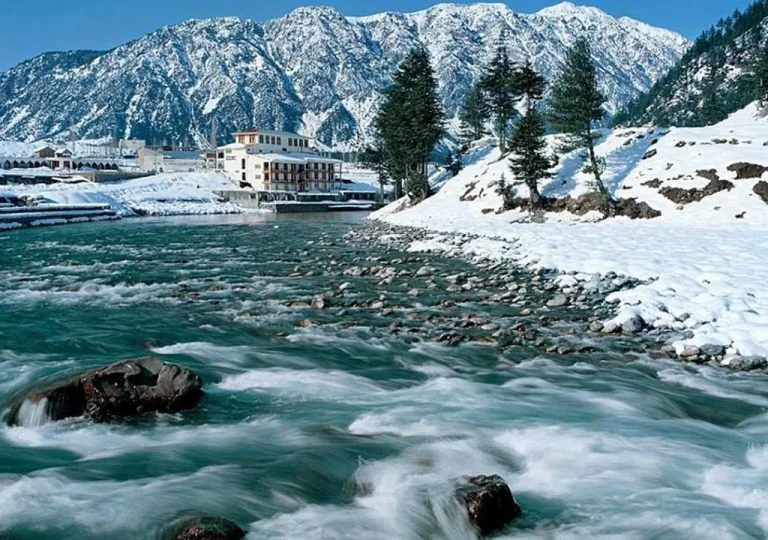
Swat Valley offers a peaceful, almost dreamlike atmosphere. The gentle flow of the Swat River, surrounded by rolling hills and towering mountains, creates a sense of calm. Villages like Mingora and Kalam are filled with welcoming locals who are eager to share their culture and stories.
The valley transforms with the seasons—lush and vibrant in summer, golden in autumn, and snow-covered in winter—each offering a unique experience.
Famous Bazaars for Tourists
Swat Valley’s markets provide an authentic shopping experience with locally crafted items:
- Mingora Bazaar: Known for traditional Pashtun embroidery, jewelry, and wood carvings.
- Saidu Sharif Bazaar: A hub for high-quality woolen shawls and carpets.
- Kalam Bazaar: Offers local handicrafts, dried fruits, and honey.
Most Popular Foods
Swat’s cuisine reflects its mountainous culture, focusing on hearty, flavorful meals. Some must-try dishes include:
- Charsi Tikka: Grilled mutton or beef, seasoned with minimal spices for a natural taste.
- Kabuli Pulao: A flavorful rice dish with meat, raisins, and nuts.
- Chapli Kabab: Spiced minced meat patties, served with naan and chutney.
- Trout Fish: Freshly caught from Swat River, grilled or fried to perfection.
For desserts, try Swati halwa, a sweet treat made from semolina, or sip on Kahwa, a traditional green tea infused with spices.
Temperature Throughout the Year
Swat Valley’s climate varies significantly with the seasons:
- Winter (December to February): -5°C to 10°C (23°F to 50°F) – Snowy and ideal for skiing.
- Spring (March to May): 10°C to 20°C (50°F to 68°F) – Fresh blossoms and pleasant weather.
- Summer (June to August): 15°C to 25°C (59°F to 77°F) – Cool and refreshing.
- Autumn (September to November): 10°C to 20°C (50°F to 68°F) – Stunning golden landscapes.
Best Time to Visit
The best time to visit Swat Valley is in summer (June to August) when the weather is mild and perfect for outdoor exploration. For skiing and snow enthusiasts, winter (December to February) offers a magical experience. Spring and autumn are ideal for witnessing the valley’s natural beauty in bloom or fall.