A Brief History of Hunza Valley
Nestled in the Gilgit-Baltistan region, Hunza Valley boasts a rich history rooted in ancient trade routes. Positioned along the historic Silk Road, it served as a vital link between South Asia and Central Asia. The valley was once an independent princely state, ruled by the Mirs of Hunza, before becoming part of Pakistan in 1974.
Hunza is steeped in folklore and mystique, often referred to as the “Shangri-La” due to its breathtaking beauty and legends of long-lived inhabitants. Its forts, like Baltit Fort and Altit Fort, offer a glimpse into its storied past.
Reasons to Visit Hunza Valley
Hunza Valley is a paradise for travelers seeking natural beauty, adventure, and cultural enrichment:
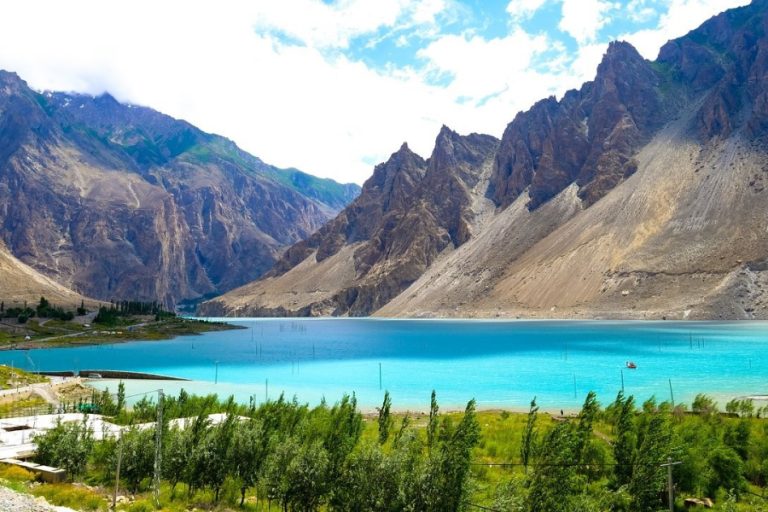
- Scenic Landscapes: Surrounded by majestic peaks like Rakaposhi and Ultar Sar, Hunza is a photographer’s dream.
- Cultural Heritage: Explore ancient forts and interact with friendly locals who proudly share their traditions.
- Outdoor Activities: Perfect for trekking, hiking, and exploring pristine glaciers such as Passu Glacier.
- Relaxation and Serenity: The valley’s peaceful ambiance is a welcome escape from the chaos of city life.
Ambience of Hunza Valley
Hunza is serene, with its crystal-clear rivers, lush green fields, and snow-capped mountains. The valley’s air feels fresher, the skies seem bluer, and time moves slower. Villages like Karimabad and Passu offer panoramic views, while the small-town charm of Hunza makes every traveler feel at home.
The hospitality of the locals is unmatched—they treat visitors like family, often inviting them for a cup of the region’s famous apricot tea.
Famous Bazaars for Tourists
Hunza’s markets are quaint yet full of unique items:
- Karimabad Bazaar: A hub for local handicrafts, embroidered clothing, and organic apricot products.
- Aliabad Market: Offers gemstones, traditional Hunzai caps, and handmade jewelry.
- Sost Market: Located near the Chinese border, this market is ideal for exploring trade goods.
Most Popular Foods
Hunza’s cuisine is simple yet delicious, focusing on natural ingredients. Some must-try dishes include:
- Chapshuro: A savory meat-filled flatbread, baked to perfection.
- Diram Fitti: A traditional cake made from wheat flour and apricot oil.
- Harissa: A hearty porridge of wheat and meat, popular during colder months.
- Apricot Soup: A unique dish made from the region’s abundant apricots.
Hunza also offers fresh organic fruits like apricots, cherries, and apples.
Temperature Throughout the Year
Hunza experiences four distinct seasons, each with its own charm:
- Winter (December to February): -10°C to 5°C (14°F to 41°F) – Snowy and cold, perfect for winter sports.
- Spring (March to May): 5°C to 15°C (41°F to 59°F) – Blooming apricot and cherry blossoms.
- Summer (June to August): 15°C to 25°C (59°F to 77°F) – Mild and pleasant.
- Autumn (September to November): 5°C to 15°C (41°F to 59°F) – Golden foliage and crisp air.
Best Time to Visit
The best time to visit Hunza Valley is during spring (April to May) for its blossoming trees or autumn (September to November) for its golden hues. Summers are also ideal for trekking and exploring outdoor attractions, while winter is perfect for those who love snow-covered landscapes.