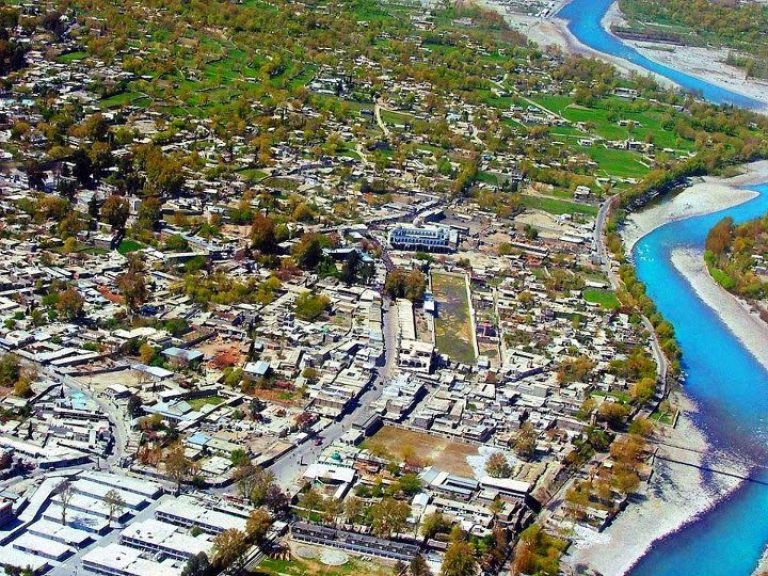
A Brief History of Gilgit
Gilgit, a historic town in Gilgit-Baltistan, has long been a crossroads for travelers and traders. Situated along the Silk Road, it served as a key link between China, Central Asia, and the Indian subcontinent. The region’s history includes influences from Buddhism, Islam, and various local cultures.
Archaeological sites such as the Kargah Buddha and ancient rock carvings tell stories of the area’s past as a center of Buddhist learning and trade. Today, Gilgit is a vibrant town that serves as a gateway to the Karakoram and Himalayan mountain ranges.
Reasons to Visit Gilgit
Gilgit is a haven for adventurers, nature lovers, and cultural enthusiasts:
- Gateway to Adventure: Starting point for expeditions to K2, Nanga Parbat, and the Karakoram Highway.
- Cultural Fusion: A unique blend of cultures and traditions from the surrounding valleys.
- Natural Wonders: Surrounded by dramatic mountain scenery, rivers, and meadows.
- Historical Significance: Discover ancient sites like Kargah Buddha and the Gilgit Fort.
Ambience of Gilgit
Gilgit has a laid-back yet lively atmosphere, with a mix of rugged natural beauty and a bustling town center. The cool, fresh air and breathtaking views of snow-capped peaks create a sense of tranquility, while the lively bazaars and friendly locals bring energy and warmth.
Whether exploring the Gilgit River or wandering through the local markets, you’ll feel a sense of connection to both nature and community.
Famous Bazaars for Tourists
Gilgit’s markets offer a blend of local crafts and practical goods:
- Gilgit Bazaar: Known for gemstones, traditional clothing, and handmade jewelry.
- NLI Market: A military-run market offering affordable items, including woolen products and handicrafts.
- Kashrote Bazaar: Perfect for picking up dried fruits, nuts, and regional spices.
Most Popular Foods
Gilgit’s cuisine reflects its mountainous culture, focusing on hearty, warming dishes. Some must-try foods include:
- Mamtu: Steamed dumplings filled with minced meat, served with chili sauce.
- Harissa: A slow-cooked porridge made with wheat, barley, and meat.
- Chapshuro: A baked flatbread stuffed with minced meat and onions.
- Dumplings and Soups: Various hearty soups are made with locally grown vegetables and lentils.
For dessert, try fresh apricots, mulberries, and cherries from local orchards.
Temperature Throughout the Year
Gilgit’s climate varies with the seasons, making it a year-round destination for different activities:
- Winter (December to February): -5°C to 10°C (23°F to 50°F) – Cold with occasional snow.
- Spring (March to May): 10°C to 20°C (50°F to 68°F) – Blossoms and mild temperatures.
- Summer (June to August): 15°C to 30°C (59°F to 86°F) – Warm and ideal for trekking.
- Autumn (September to November): 5°C to 20°C (41°F to 68°F) – Crisp air and colorful foliage.
Best Time to Visit
The best time to visit Gilgit is during spring (April to May) and autumn (September to October) when the weather is pleasant, and the natural beauty is at its peak. Summers are great for trekking and outdoor adventures, while winter offers a quieter, snow-clad landscape.